
Oil Colors
Michael Harding
Handcrafted in the UK using traditional methods, Michael Harding Artists Oil Colours are celebrated for their unrivaled pigment load, luminous color, and uncompromising quality. Each tube is made without fillers or extenders, allowing the true character of every pigment to shine through with remarkable vibrancy and depth. With a texture that ranges from buttery to ropey—depending on the natural behavior of the pigment—these oils offer expressive handling and exceptional coverage.
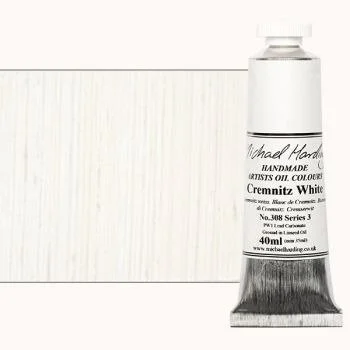
Inorganic – Created for fun, I put this version of Cremnitz White into my range because of walnut oil. This combination of pigment and walnut oil produces wonderful qualities, a favorite of which is translucency. Another is the brushing quality, which makes painting with Cremnitz so rewarding. These qualities allow the artist to create wonderful flesh tones and thick, translucent brush strokes, thus providing the artist with a feel for the way the Old Masters painted—with ease and flow.
Ⓥ VEGAN
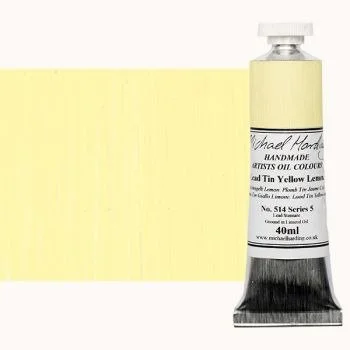
Inorganic – Lead Tin Yellow Lemon is a vivid, sulphury yellow. Like its lighter version, it’s indispensable to artists mixing flesh tones, which can be achieved with the unlikely choice of brilliant pink and rendering the challenge much easier.
Ⓥ VEGAN
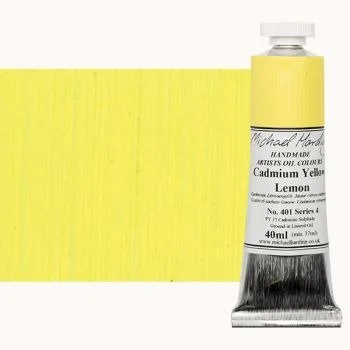
Inorganic – Cadmium Sulphide is a ‘tangy’, bright, high-tint power yellow. It’s an inorganic pigment that lightens and increases the opacity of warm mixes without overthrowing them. The Cadmium range of pigments was introduced into production between 1840 and 1890, as costs permitted, and it has proved the most artistically reliable of all the metal compounds discovered in the 19th-century.
Ⓥ VEGAN
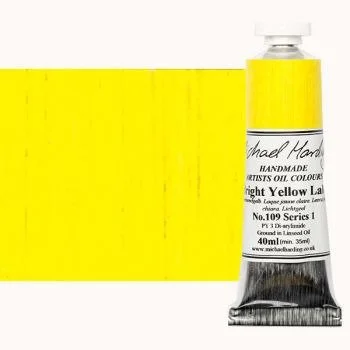
Organic – Bright Yellow Lake is an arylide organic lake pigment. It has an incredibly high oil content and transparency, with an enormous tint power that shoots through mixes with a pervasive range of bottle green undertones. Beginners should handle this paint with care when adding it to other paints. It can heighten the Phthalo Lakes without making them opaque, and when it is made itself opaque with the addition of white, the results are almost luminous.
Ⓥ VEGAN
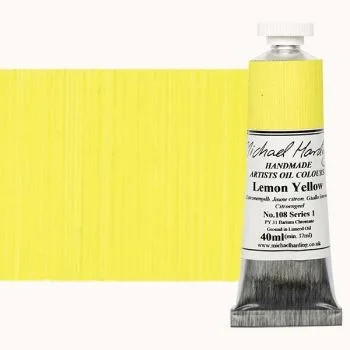
Inorganic – Sometimes known as Barium Yellow, as it is Barium Chromate. It was introduced into painting after the Lead Chromates, circa 1820. Unlike Lead Chromates, though, Barium has proven permanent and non-reactive. Most colourmen consider this yellow obsolete, and I’m probably the only one still making it. By itself, it’s an acidic looking yellow with weirdly green overtones. Its low tint and covering power mix with Magenta and the cooler reds to produce modulated greys artists sometimes seek for certain passages of flesh painting. This is the only yellow chrome paint that doesn’t discolour.
Ⓥ VEGAN
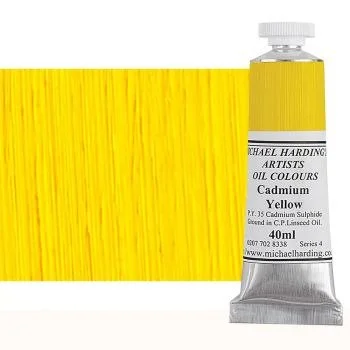
Inorganic – Cadmium Sulphide is a dense, lean, mid-shade warm yellow, indispensable as a foundation colour for warm mixes of all kinds.
Ⓥ VEGAN
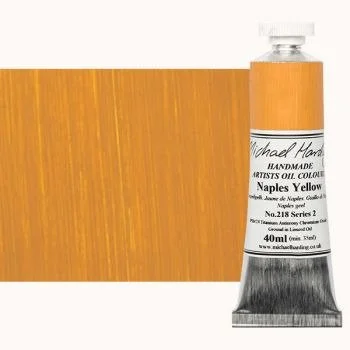
Inorganic – This is Titanium Antinomy Chromium Oxide, a synthetic, inorganic compound which I began to use to make a solid, mid-range substitute Naples Yellow whilst seeking a source of genuine Lead Antimoniate. Though I now have one, many artists want me to retain this beautifully golden paint, which makes bronze-like hues and works well with the low earths.
Ⓥ VEGAN
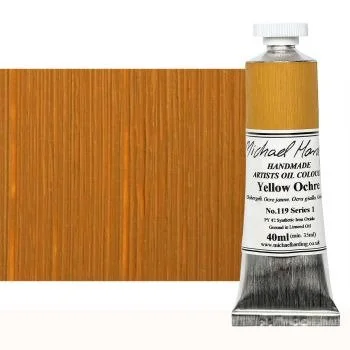
Inorganic – Yellow Ochre is a higher-keyed and more green-gold shade of manufactured Iron Oxide. Its hues yield mustardy yellows quite close to Genuine Naples Yellow Dark. No. 119 possesses an almost viscous texture and is a lovely colour for flesh tones, landscapes, and non-figurative works.
Ⓥ VEGAN
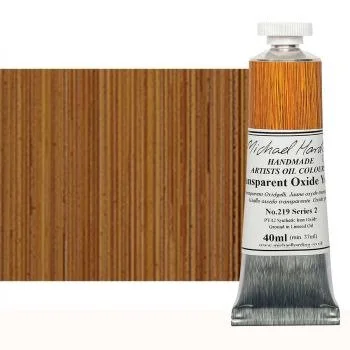
Inorganic – This Iron Oxide has been used as a wood dye, and its capacity to enrich hardwood grain makes it a wonderful candidate for paint making. It has great warmth, with gingery undertones quite different from those seen in the Indian Yellows. Because the pigment particles are small, it could almost be mistaken for a Lake. It has huge tint power that pulls whites and other yellows into a golden, rich, Titianesque zone of warm, low tones. Try it with Aureolin and the Earths.
Ⓥ VEGAN
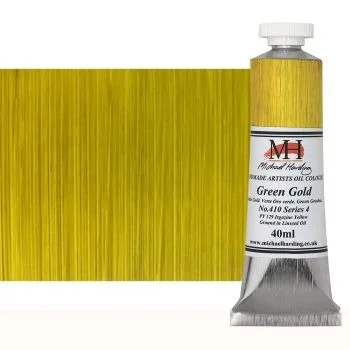
Organic Pigment – Green Gold is a pigment I’ve admired for many years, although it’s essentially a modern colour. As a standalone pigment it brings your painting a unique green that has its own elegance. Green Gold’s bewitching qualities give it a high tint power, and because it has only a single organic pigment, it’s both lightfast and transparent. And because it’s transparent, it possesses wonderful glazing properties and power.
Ⓥ VEGAN
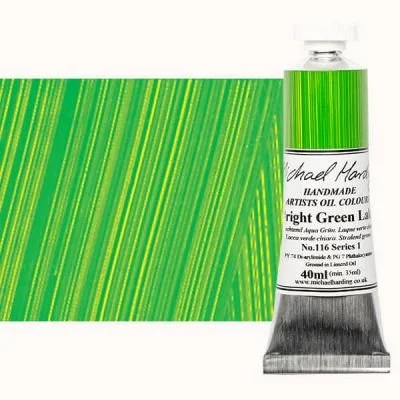
Organic – I formulated this blend of organic pigments Arylide Yellow and Phthalo Green to fill the gap previously occupied by the Lead Chromate Greens, long discontinued by manufacturers because of their tendencies to darken or react with other paints. This paint differs from them not only in being a permanent lake but also in sheer power. A fruity, loud, tropical green with exotic undertones, it almost fluoresces on its own and cuts right into mixes to reveal light, sappy yellows.
Ⓥ VEGAN
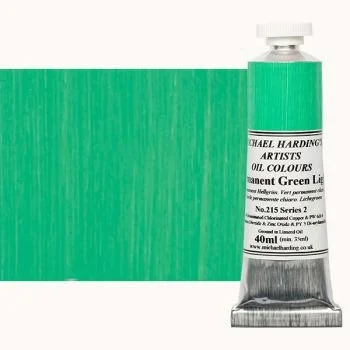
Inorganic & Organic – Permanent Green, also known as Victoria Green, was the generic name given by 19th-century English manufacturers to a mid-green, slightly bluish in undertones and made from a variety of blends. My own formula combines Arylide Yellow and Yellow Shade Phthalo Green to give a rich, earthy hue in Titanium Whites. Much stronger than Terre Verte, it sometimes fulfils the same role in providing reflex tones for portraiture and figure painting.
Ⓥ VEGAN
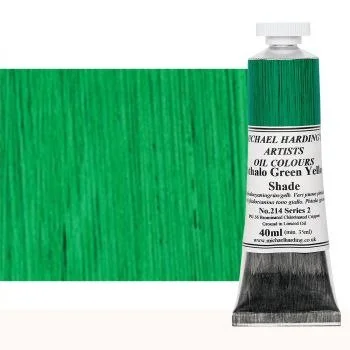
Organic – No. 214 is a variant of the Phthalo Green compound, but with a greater range of gingery yellow undertones that are immediately apparent in hues. This expansion is due to increased numbers of Chlorine and Bromine atoms. The tint power is less than that of straight Phthalo Green, but the range of clean, beautiful pine greens obtainable from it is remarkable and unique.
Ⓥ VEGAN
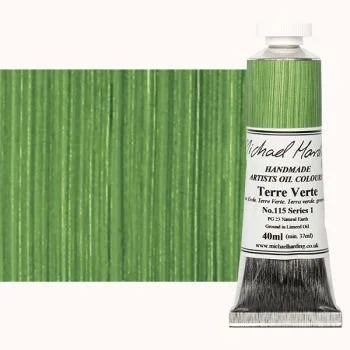
Inorganic, Natural Earth – Green Earth, a complex of ferrous silicates in aluminium and magnesium clays, is one of the few naturally occurring inorganic pigments still offered by colourmen. It has a soft texture with very low tint power and is beloved by portraitists who use it as a glaze over Alizarin Crimson hues. Some makers add other pigments in order to give it a spuriously enhanced tint power, which depletes these qualities; I don’t. A popular trick is to use a little Terre Verte under the portrait subject’s nose to get red-coloured cheeks to play up as a complementary colour!
Ⓥ VEGAN
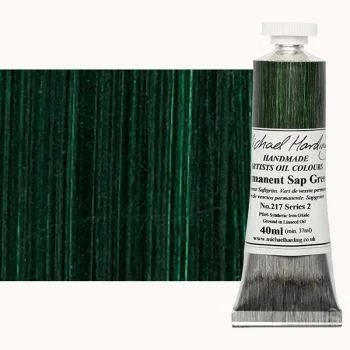
Inorganic & Organic – Sap Green is a generic name for a rich, deep green. Colourmen progressively changed its composition through a variety of natural, organic lakes. This green has an exceptionally rich, earthy, even mossy range of yellow undertones that suggest all variations of vegetation and undergrowth. Permanent Sap Green is ideal for the landscape/plein air painter.
Ⓥ VEGAN
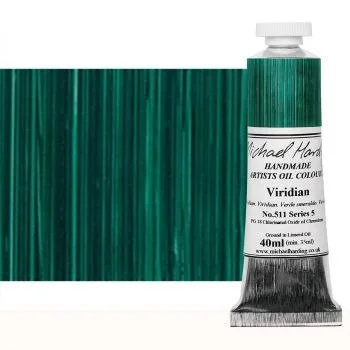
Inorganic – Viridian is about the fastest curing colour in my entire range, along with Stack Lead White. This hydrated variant of Chromium Hydroxide, introduced in the mid-19th century, is a valued support colour used for influencing greys in underpainting. The vivid blue undertones apparent in thin layers are soon eclipsed in thicker applications. Landscapists and some portraitists still prefer it to the more brutal power of the Phthalo Greens. When combined with reds, an interesting range of blue-greys results. Placing it as local colour in the proximity of vermilion can also produce some interesting complementary effects.
Ⓥ VEGAN
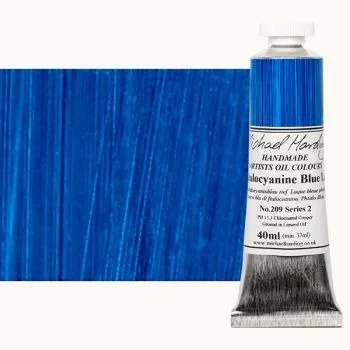
Organic – Invented in 1935, Chlorinated Copper is one of the first synthetic organic pigments to be accepted as reliably permanent. It is sometimes seen as a modern replacement for Prussian Blue, but its unmixed colour is slightly more cyan, and in hues, it exhibits a unique range of throbbing, intense, greenish blues that are quite distinct from Prussian Blue. Having one of the highest tint powers in my range, this paint will blow any mix apart; if you wish to avoid doing so, add it incrementally and with caution! Its metallic content makes it a great drier, and like Prussian Blue, it shows a tendency to bronze upon curing. Again, use it with caution if you are a beginner.
Ⓥ VEGAN
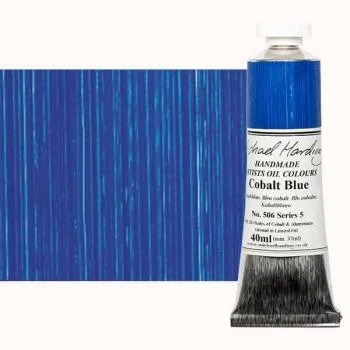
Inorganic – Introduced at about the same time as Ultramarine, Cobalt Aluminate is a synthetic, inorganic pigment. It is more greenish-blue, with a heavier, more mineral appearance when seen as a dry pigment. The hues formed from it are correspondingly heavier and greyer. But it has a certain shade that the less expensive ultramarine cannot quite match. The paint film, when cured, is quite soft.
Ⓥ VEGAN
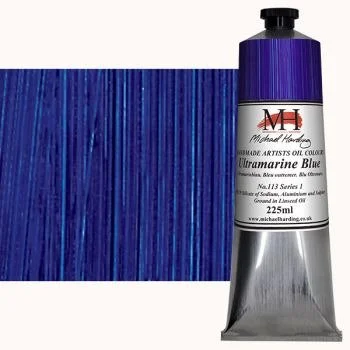
Inorganic – No. 113 is an obviously beautiful mid-blue. The discovery in the 1820s of a Sodium Sulphosilicate compound, which had appeared as a mysterious blue deposit on soda-ash furnaces, was a liberating moment for financially challenged artists everywhere. Up to then the only available version of this compound was the often-unobtainable Lapis Lazuli ore, mined in Afghanistan. Ultramarine has a high tint power, and our chosen shade produces strong green shade blue hues and makes wonderful violets with Magenta and the red Lake colours. It is also useful in greens and greys. The only chemical weakness is a recorded sensitivity to atmospherically borne acids, which can bleach it out. Ultramarine Blue is one of the more difficult paints to make, as it forms an intractable runny syrup when first ground into oil, which must then be stabilized with a small amount of wax.
Ⓥ VEGAN
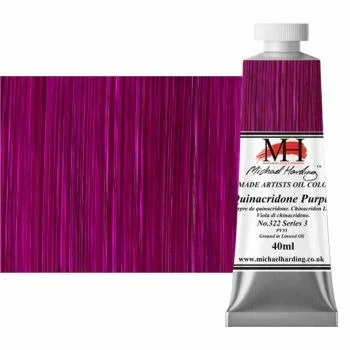
Quinacridone, which is an organic compound, is used extensively in industrial colorant applications. Deep, transparent, and richly pigmented, Quinacridone Purple brings intensity and depth to any painting. Its slightly cool, jewel-like hue is perfect for rich shadows, dramatic skies, or floral work. The quinacridone pigment ensures long-lasting vibrancy and clarity.
Ⓥ VEGAN
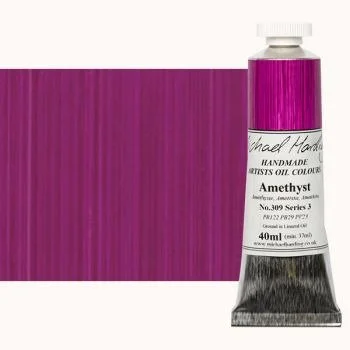
Inorganic and Organic – Amethyst is a mixture of three well-known colours that come together to create an extraordinary shade of violet, particularly for the exotic artist’s palette or artists who regard themselves as ‘colourists’. This colour has been known to evoke warmth and pleasure. Artists use Amethyst in portraits, landscapes, and non-figurative works. For years, artists have wanted more from their violets, so I’ve developed and offer this potent, vivid, transparent shade!
Ⓥ VEGAN
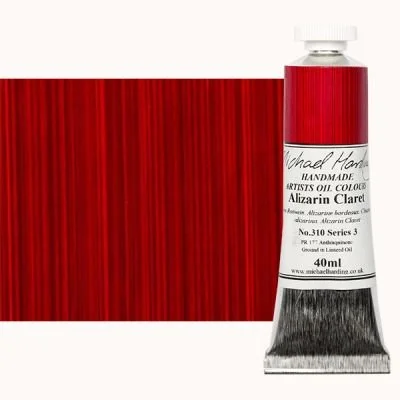
Organic – Alizarin Claret has a slightly lighter mass tone than that of Alizarin Crimson, and yet it has greater resistance to UV light than Alizarin Crimson. I specifically formulated this beautiful, full-bodied colour for those artists who are reluctant to use Alizarin Crimson. With its versatility and beauty, Alizarin Claret is perfect for portraitures, landscapes, and non-figurative works, and it’s a delight for mixing with other transparent colours.
Ⓥ VEGAN
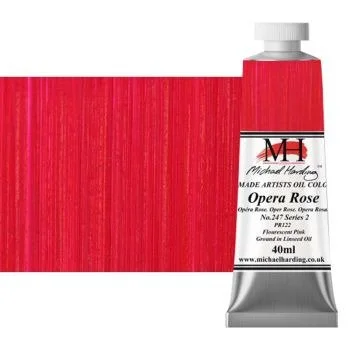
A highly saturated, fluorescent pink, Opera Rose captivates with its vivid intensity and bold vibrancy. Derived from the family of quinacridone magentas, it offers a striking, almost shocking, hue that stands apart. Unlike traditional quinacridones, Opera Rose has its own unique flow and handling. While its lightfastness is moderate, its radiant, eye-catching colour makes it a popular choice for fiery skies, impressionistic florals, abstracts, or any artwork where a high-impact pink is desired.
Ⓥ VEGAN
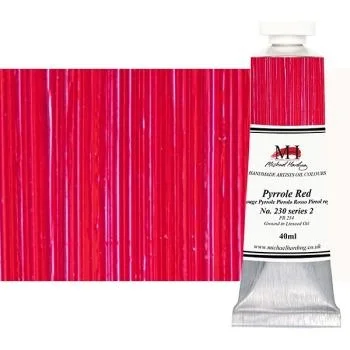
I wanted to add an affordable red to the product line that complements our current reds and provides another level of depth to the family of MH reds. While my first passion is pigments from the time of our Old Masters, today’s modern-made pigments offer us yet another level of discovery and enjoyment. I feel Pyrrole Red is one such colour—an affordable, highly lightfast, vivid red. My Pyrrole Red is like a lot of my oil product line: bold and bright, yet with a cool, crisp undertone. MH Pyrrole Red is a terrific intermixer for everything from Brilliant Pink to our gorgeous Permanent and Cadmium Oranges. I encourage artists everywhere to try it with our Yellows, Oxides . . . well, all the MH Colours!
Ⓥ VEGAN
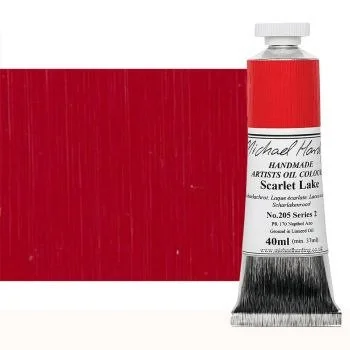
Organic – Scarlet Lake belongs to the family of Naphthol Red pigments. This Lake is organic, warm, and possesses high tinting power.
Ⓥ VEGAN
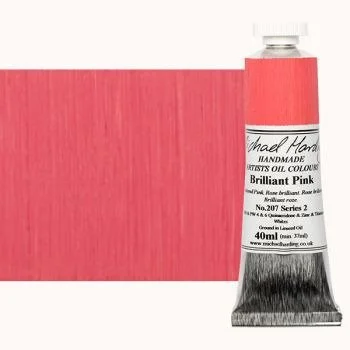
Inorganic & Organic Mix – Brilliant Pink is luminous and has an intense presence. The complementary vibrations it sets up with the greens, particularly Emerald Green, have to be seen to be believed. It forms a lean surface, and since the red is supplied by Quinacridone, a permanent organic pigment, the undertones are bluish yet warm, and are disclosed in further hues and mixes.
Ⓥ VEGAN
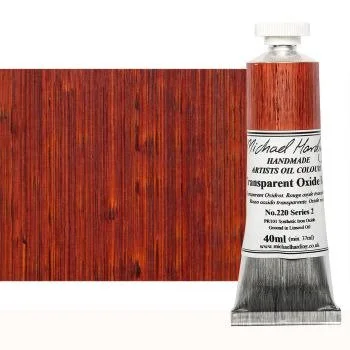
Inorganic – This Iron Oxide has been used as a wood dye, and I realised that its capacity to enrich the grain of hardwood made it a wonderful candidate for paint making. My Transparent Red Oxide is an Iron Oxide manufactured to such a small pigment particle size that like its yellow counterpart, it possesses Lake-like characteristics. No. 220 has terrific tint power that produces wonderful results in mixes with yellows and brings gravity to mid-red tones. Mix it with phthalocyanine blue for an interesting surprise!
Ⓥ VEGAN
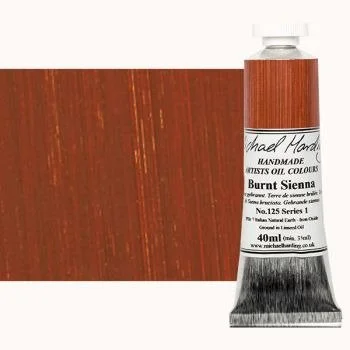
Inorganic, Natural Earth – Burnt Sienna is one of the natural earth iron oxides, of such antiquity and usefulness it barely needs an introduction. It creates rich but subdued pinks, which reveal how transparent and warm are its undertones. Its Tint Power is noticeably stronger than the more opaque Earths.
Ⓥ VEGAN
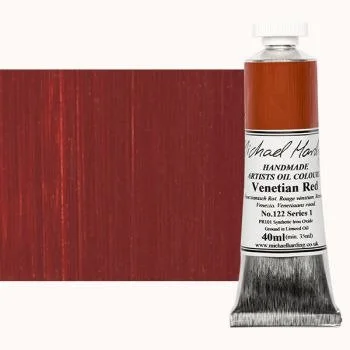
Inorganic – Venetian Red is synthetic Iron Oxide, a heavy red that yields fruity, fleshy hues and makes great sonority when mixed with the Yellow Lakes. Venetian Red is a most favoured staple for many portrait and landscape artists.
Ⓥ VEGAN
Winsor & Newton
Founded in London in 1832, Winsor & Newton has been a cornerstone of fine art materials for nearly two centuries. Their Artists’ Oil Colours are crafted in the UK using the highest-quality pigments and carefully refined linseed or safflower oils. Known for their rich color, smooth consistency, and balanced drying time, these oils offer both precision and expressive potential.
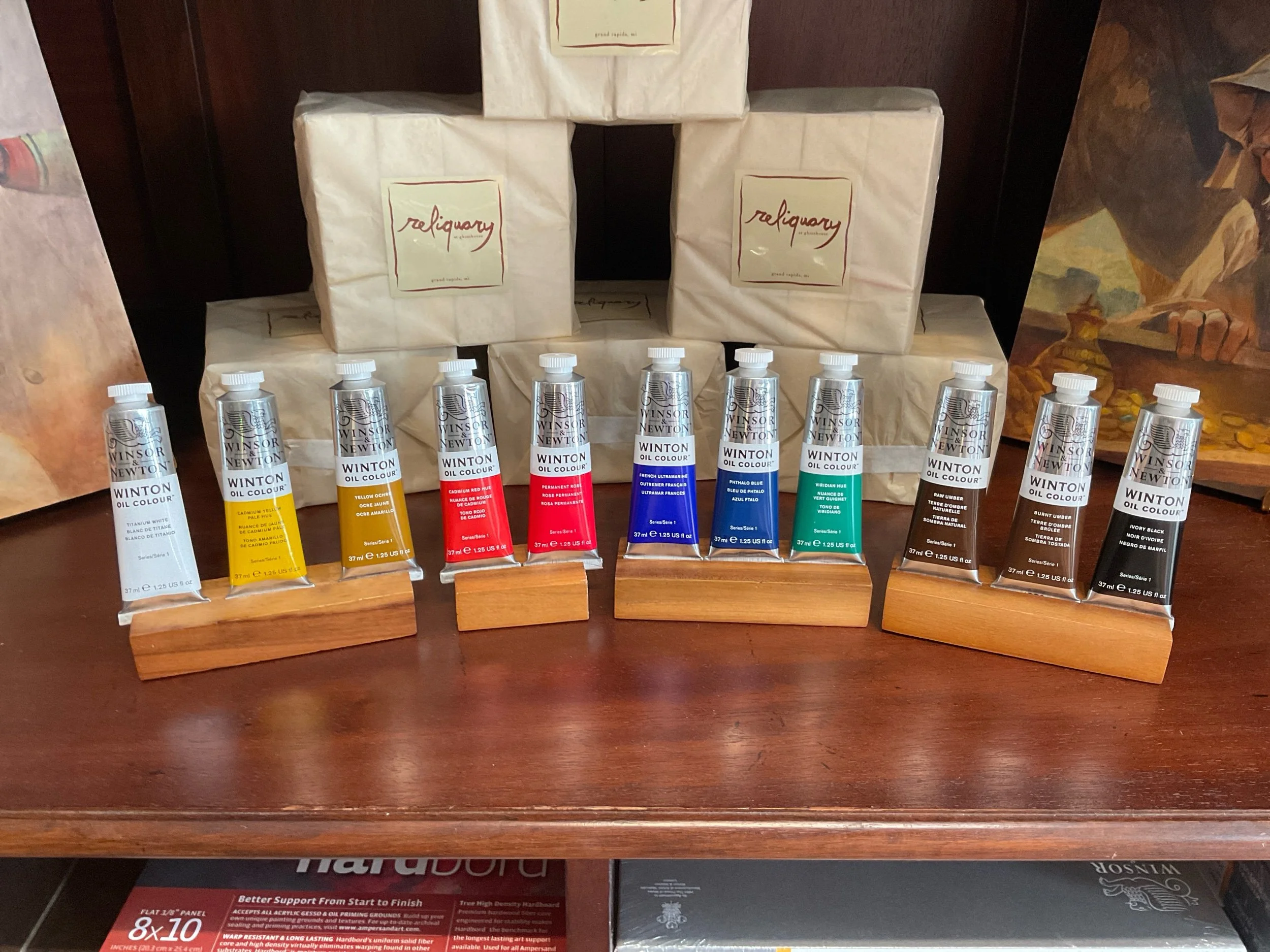
This is the main palette we use at Ghosthouse for our oil painting classes. They are free of heavy metals and safe to use for children and adults.
11 Colors
- Titanium White
- Cadmium Yellow Pale Hue
- Yellow Ochre
- Cadmium Red Hue
- Permanent Rose
- Phthalo Blue
- Ultramarine Blue
- Viridian
- Raw Umber
- Burnt Umber
- Ivory Black

Titanium White is a clean white pigment. It is the most opaque white pigment and is considered a standard strong white colour.

Winsor Yellow is a warm yellow pigment. It is part of the Yellow Hansa group of modern pigments first developed by the German Hoechst company in the early 1900s. It is a semi-transparent colour.

Yellow Ochre is a warm yellow colour. Originally made from natural iron oxides found in earth, it is one of the oldest pigments used by mankind. A synthetic version became available in the 1920s.

Burnt Sienna is a rich brown pigment made by burning Raw Sienna. Named after Siena in Italy, where the pigment was sourced during the Renaissance, it is a transparent pigment with red-brown tones.

Transparent Maroon is a rich red with strong brown undertones. It is made from the modern Bensimidazalone pigment which was developed by the German company Hoechst in the 1960s.

Scarlet Lake is a bright red with orange-yellow undertones. The name stems from a type of fine woollen cloth called scarlet cloth which was often dyed red, leading it to become the pigment's name.
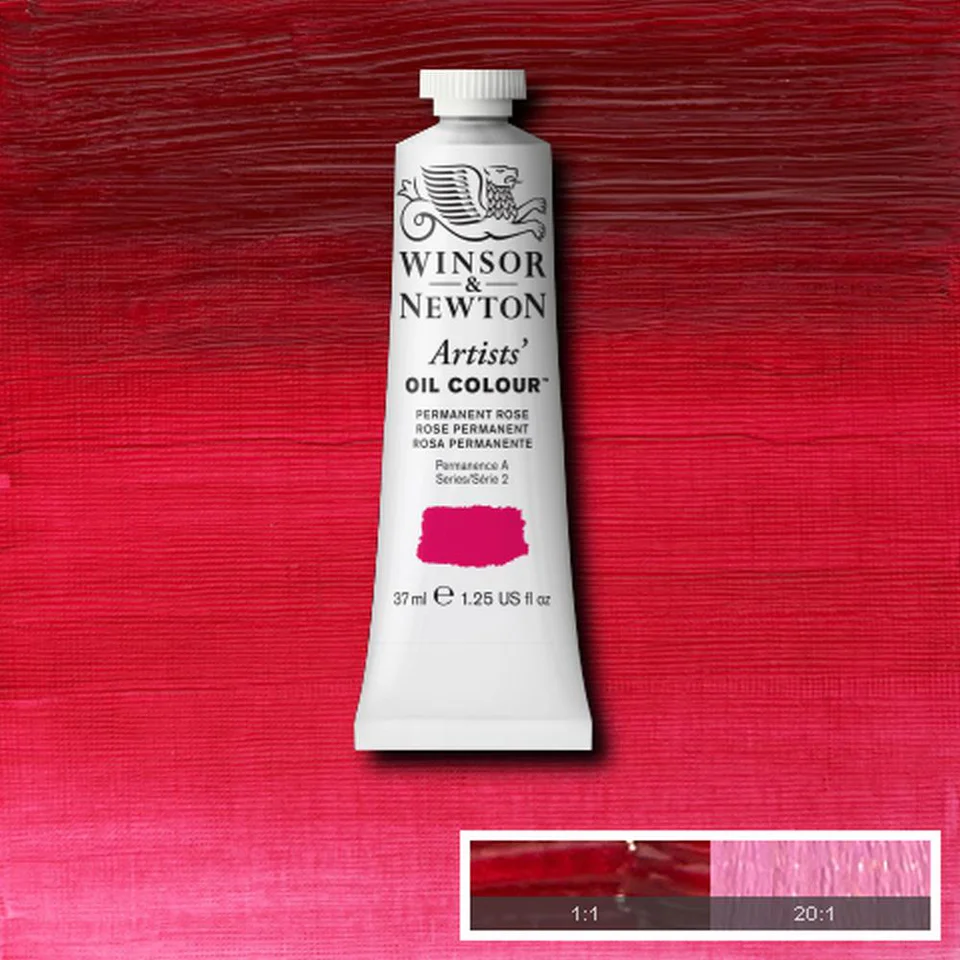
Permanent Rose is a bright rose violet colour. It is a transparent quinacridone pigment and was introduced in the Winsor & Newton range in the 1950s.
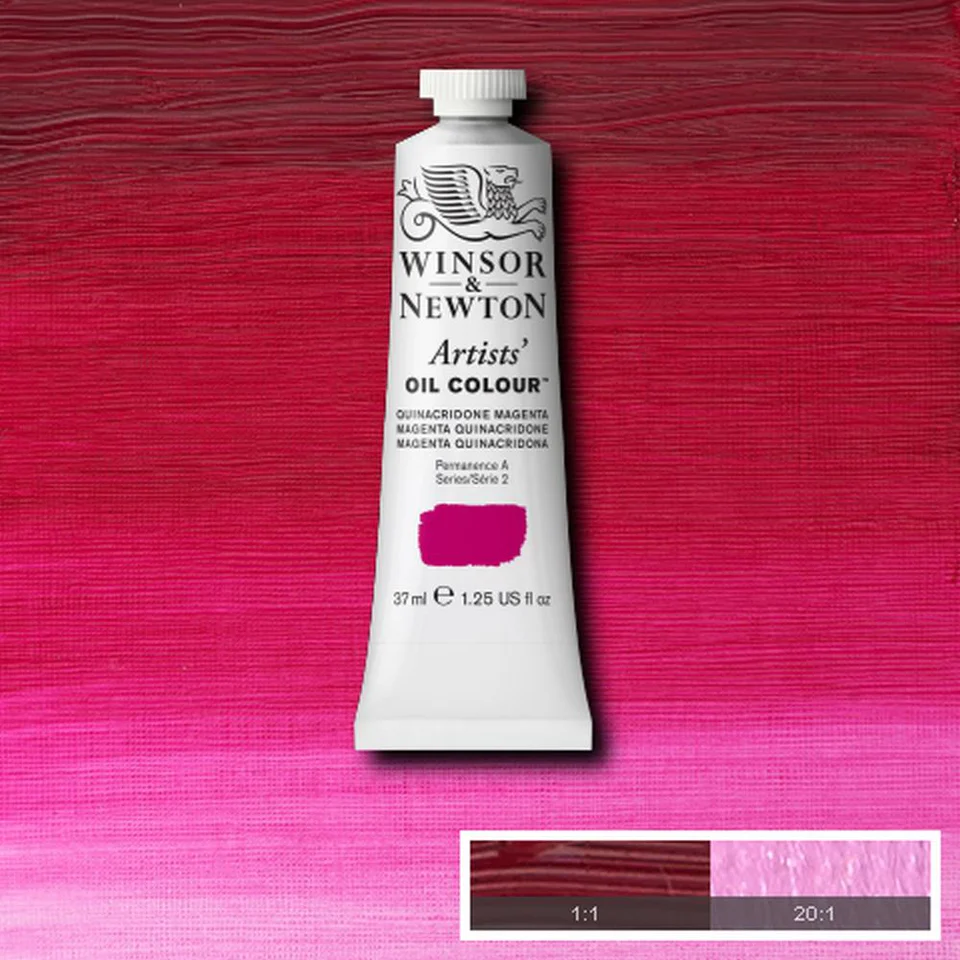
Quinacridone Magenta is a rich deep violet-red colour. It is based on the Quinacridone pigment. The name Magenta comes from a lake colour named in 1859 after the battle in Magenta, Italy.
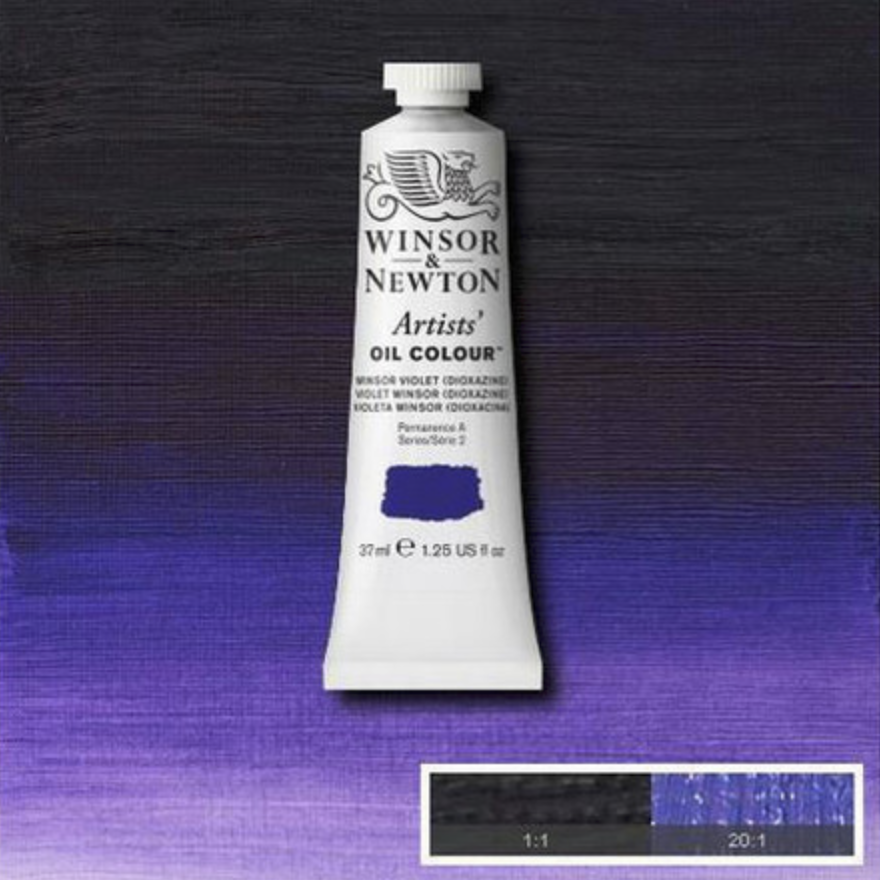
Dioxazine Purple is a vivid mid-shade purple pigment. When undiluted, it can be used as a deep black. It is made from a transparent coal tar pigment and was introduced into the Winsor & Newton range in the 1960s.
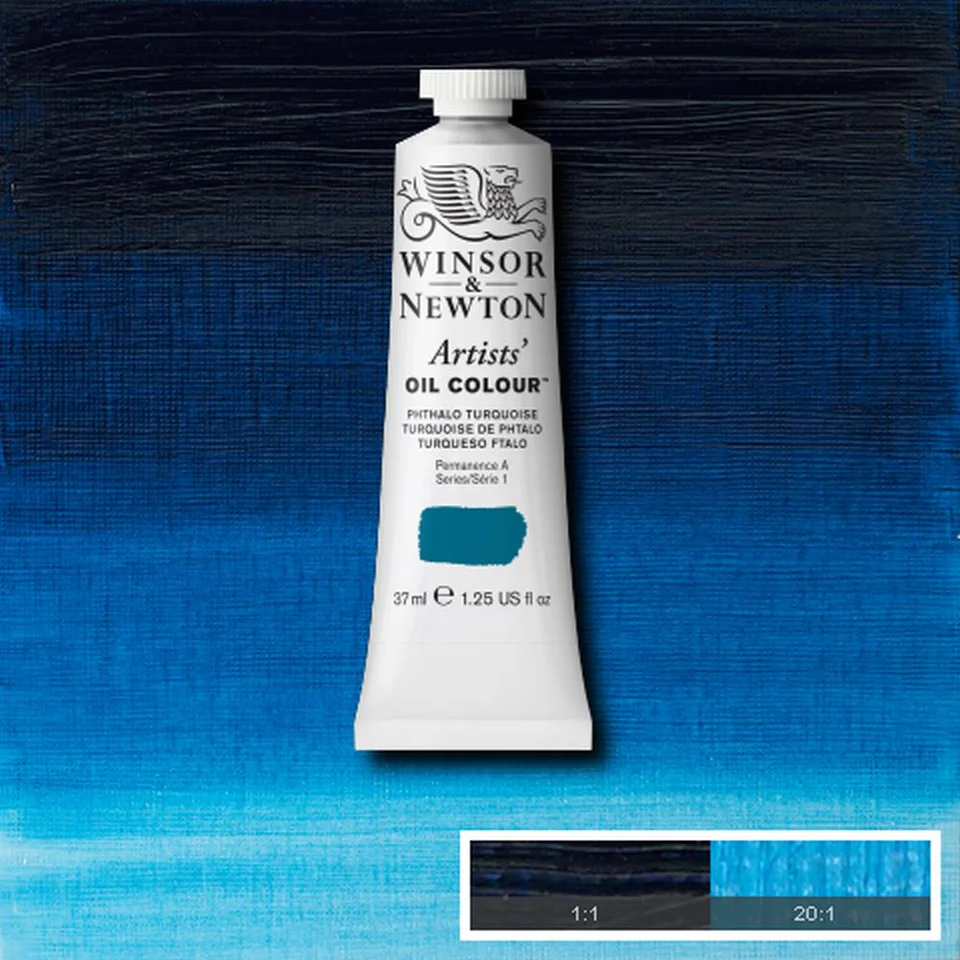
Phthalo Turquoise is an intense blue-green pigment with a red undertone. It is made from the modern pigment Phthalocyanine which was introduced in the 1930s. It is a transparent pigment.

French Ultramarine is a rich transparent blue. It was created by French chemist Guimet in 1828 as a synthetic but chemically identical alternative to the expensive pigment derived from Lapis Lazuli.

Cobalt Blue is a clean blue pigment. It was discovered in 1802 by French chemist Louis Thénard as an alternative pigment to the expensive Lapis Lazuli blue pigment.

Viridian is a transparent emerald green colour. Named after the Latin for green 'viridis', it was first made in Paris by colourist Binet in 1838 as a replacement for the deadly Emerald Green.

A rich dark brown pigment, Burnt Umber is made from natural brown clays found in earth. It was named after Umbria, a region in Italy where it was mined. Burning the raw pigment intensifies its colour.
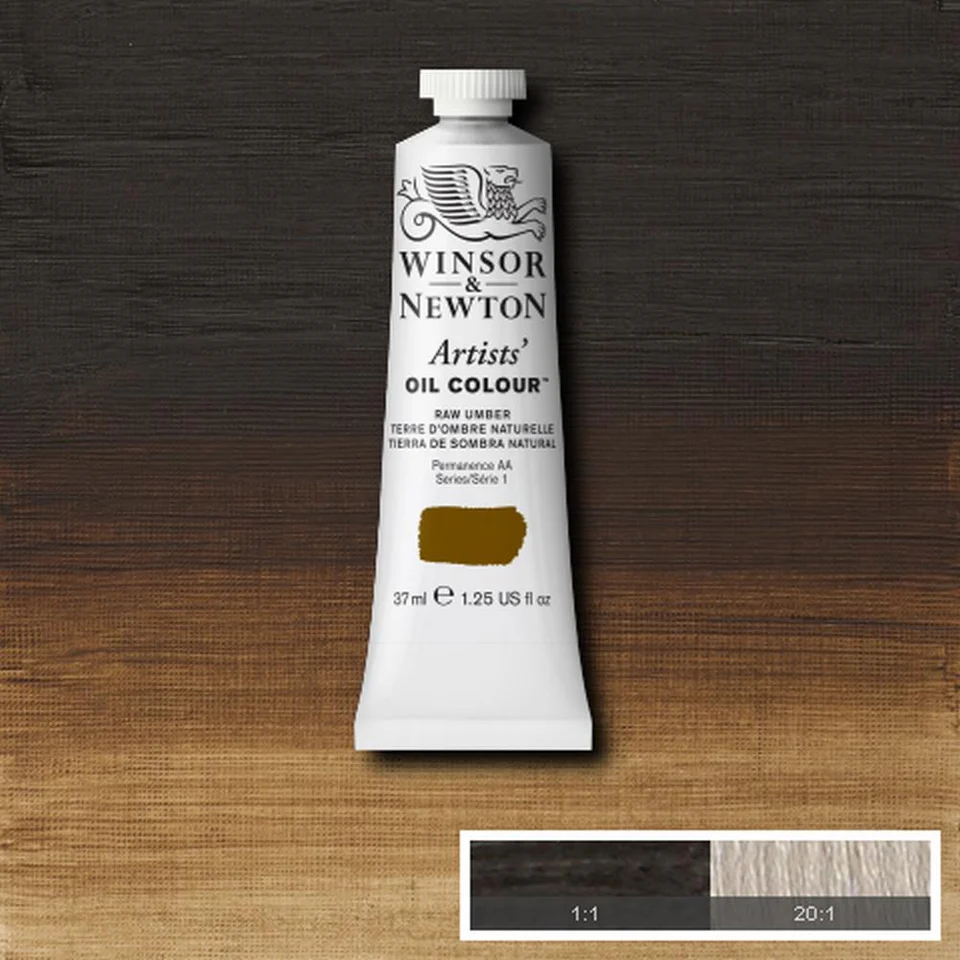
Raw Umber is a rich brown pigment made by the natural brown clays found in earth. It was named after Umbria, a region in Italy where it was mined.
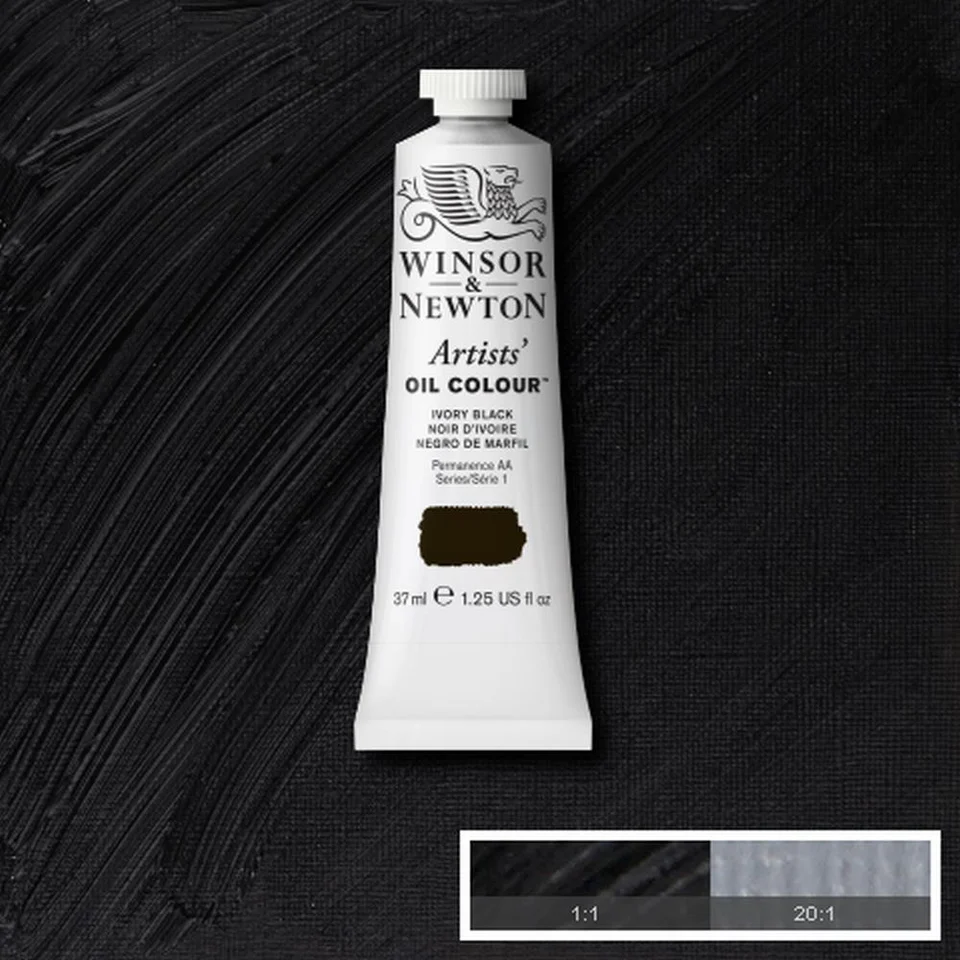
Ivory black is a stable all-round black colour with brown undertones and excellent tinting powers. Its name stems from the traditional method for obtaining it: roasting elephant tusks.

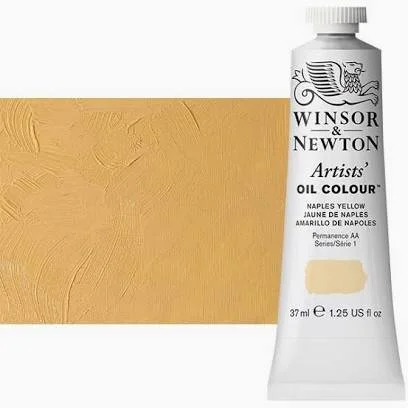
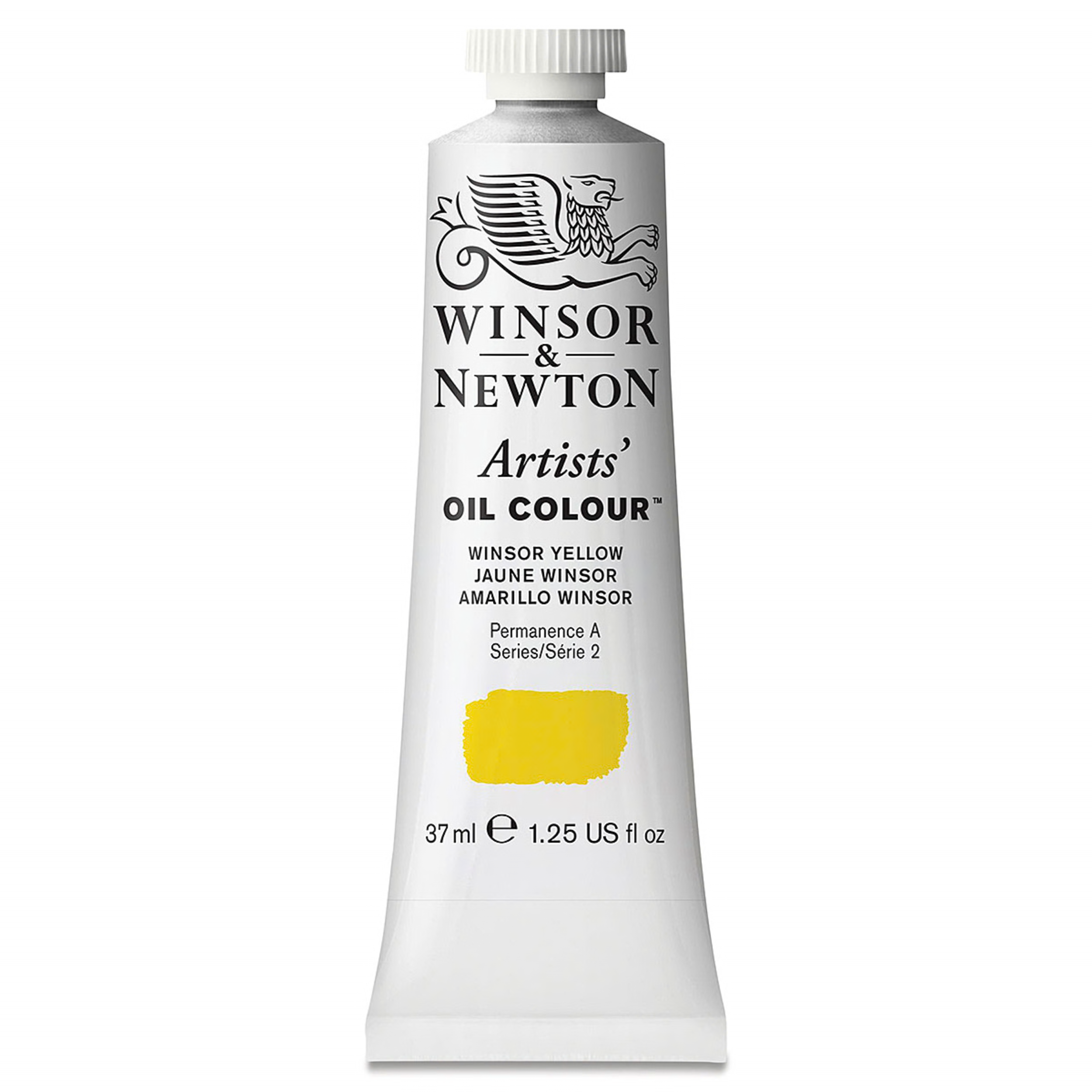
A clean, cool-toned yellow with exceptional transparency and high tinting strength. Winsor Yellow is a versatile staple on any painter's palette — brilliant straight from the tube and equally effective when mixed, offering luminous glazes and crisp, clear tints. Made with Arylide pigment (PY3), it delivers consistent, reliable color with good lightfastness.
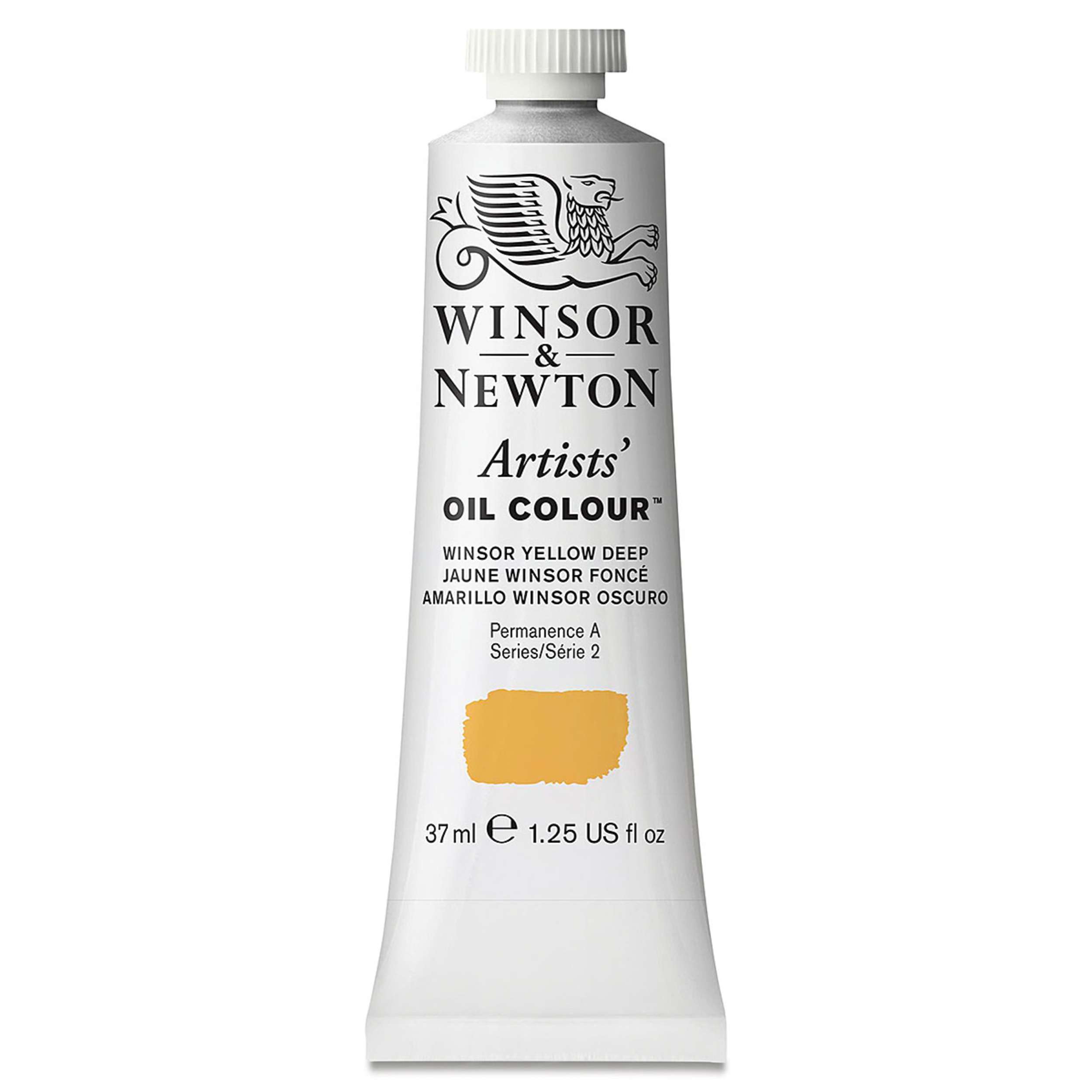
A rich, warm yellow with a golden depth that sits beautifully between a pure yellow and amber. Winsor Yellow Deep offers strong tinting power and a semi-transparent quality that makes it ideal for glazing warm light effects or anchoring earthy, sun-saturated palettes. Made with Arylide pigment (PY65), it pairs naturally with ochres and siennas while holding its own as a bold, luminous tone straight from the tube.
Titanium White No. 1 is the most brilliant white in my range, suitable for crisp, cool, opaque, light shades. If you want a powerful mixer that lightens , then this is it. Although not subtle, this white is the most suitable for a bright, fresh palette. It forms a strong and durable film when cured. PW6 is an inorganic pigment.
Ⓥ VEGAN